September. Hair on your brush, in the shower drain, on your pillow. And you happen to be in a calm stretch of life. Your holiday behind you, work settled, nothing bad happening. So it can't be stress, right?
Not necessarily. Rewind three months, to June, to that hard family situation, the infection with a high fever, the few sleepless weeks. And the picture starts to come together.
Stress-related hair loss has one feature that throws almost everyone off: it runs late. Usually by two or three months. By the time hair starts coming out in handfuls, the stressful event is often already a closed chapter, and that is exactly why it is so hard to connect cause and effect.
The most common sentence Marta Szejnoga, trichologist and co-founder of Trichovita, hears in her clinic in this situation is: "but I'm not stressed at all right now." Exactly, not now. Three months ago: yes.
This article explains what happens between a stressful event and a clump of hair in your hand. What the research says, where its certainty ends, how to tell stress-related shedding from more serious problems, and what genuinely helps. Without scaremongering and without downplaying.
Yes, Stress Causes Hair Loss, But Not "On the Spot"
Let's start with a concrete answer, because that is what you came here for. Yes, stress can trigger hair loss. It is not a myth or a convenient excuse. But the mechanism is different from what intuition suggests.
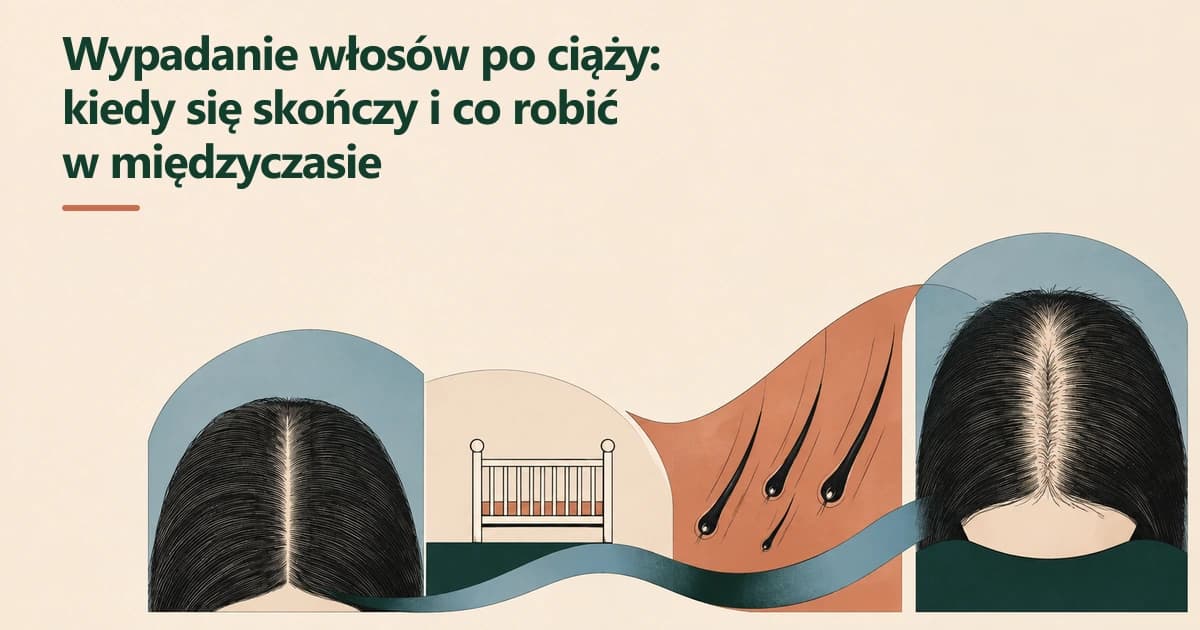
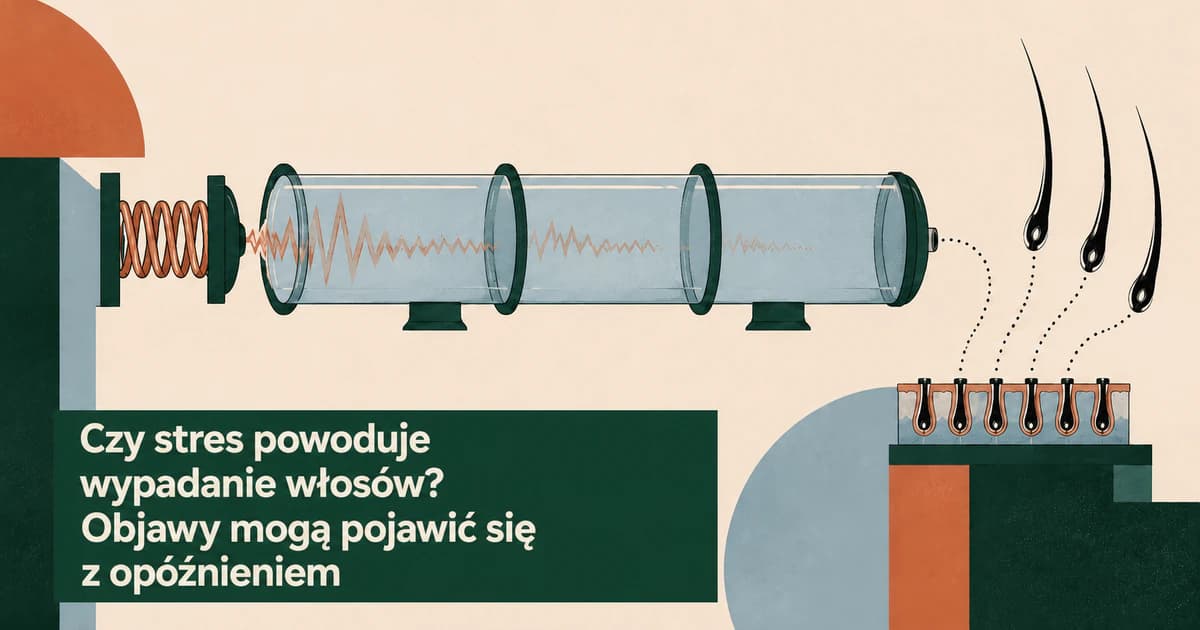
Stress does not "tear out" hair. It does not make hair fall during a difficult week. It does something more insidious: it sends a signal that prematurely ends the growth phase of many hairs at once and switches them into a resting phase. And rest takes its time, about three months. Only at the end of it does the hair detach and fall.
This phenomenon has a name: telogen effluvium. "Telogen," because it concerns telogen, the resting phase of the hair. "Effluvium," from Latin: an outflow, a shedding.
For a long time, the link between stress and hair loss was actually disputed in dermatology. It is hard to study, because you cannot "stress" a group of people in a controlled way and then count their hair (Arck et al., 2003). Today, however, we have both solid models that explain the mechanism and clinical observations on a huge scale. The best source of the latter turned out, paradoxically, to be the pandemic.
Telogen Effluvium: What Actually Happens to a Hair
To understand stress-related shedding, you need to know one thing about hair: each strand lives in its own cycle, and that cycle has phases.
- Anagen, the growth phase. It lasts from 2 to as long as 7 years. The hair grows about a centimetre a month. In a healthy scalp, 80–90% of hairs are in anagen.
- Catagen, the transitional phase. Short, two to three weeks. The follicle shrinks, growth stops.
- Telogen, the resting phase. It lasts about three months. The hair is "ready" but still sits in the follicle, while a new one slowly forms beneath it. Normally 10–15% of hairs are in telogen.
At the end of telogen, the old hair falls out, pushed out by the new one or simply detached. That is why losing 50–100 hairs a day is normal, not a problem. Those are simply the hairs that have just completed their cycle.
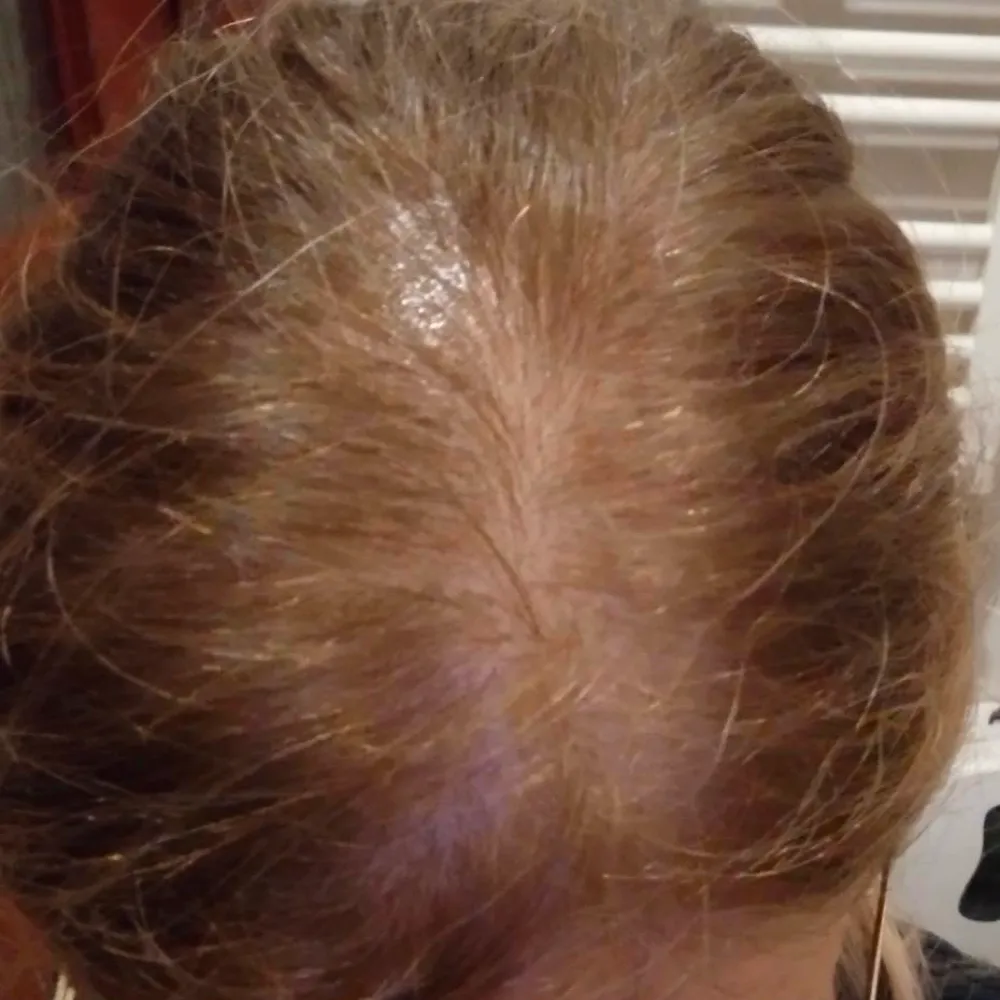
Telogen effluvium upsets these proportions. A strong stimulus, and stress is one such stimulus, causes a large group of hairs that would otherwise have kept growing for months to be pushed out of anagen towards telogen all at once (Rebora, 2014). Instead of 10–15% at rest, it becomes 20%, 30%, sometimes more. And after roughly three months, that whole group falls out at around the same time.
Hence the impression every person who has been through it knows: not "a little more hair on the brush," but suddenly handfuls.
Why Hair Falls Out Only 2–3 Months After Stress
This is the heart of the whole misunderstanding. And probably the single most important thing you can take from this text.
Between the stimulus and the shedding, the duration of telogen passes, roughly three months. The stressful event pushes hairs into rest today. But they will not fall out until that rest comes to an end.
The COVID-19 pandemic showed this most clearly, on a vast, unintended scale. Doctors began describing patients who developed massive hair shedding after recovering from the infection. In one analysis, hair loss began on average 50 days after the first COVID-19 symptom (Olds et al., 2021). In a larger study of 204 people, telogen effluvium linked to COVID affected nearly 28% of patients and appeared on average after just under 54 days, roughly 7–8 weeks after the infection (Aksoy et al., 2021).
These numbers are invaluable, because COVID gave researchers something usually missing in stress research: a known date for the "event." That made it possible to measure the delay. And it came out exactly as the theory predicts: about two months to the first symptoms, two to three months to full intensity.
For you, this leads to one practical conclusion. If you are losing hair now, do not ask "what is happening now." Ask: what was happening two to three months ago. That is where the answer lies: an illness you went through, surgery, an acute crisis, grief, a restrictive diet, childbirth, coming off a medication. The trigger almost always exists. It is just hidden back in the calendar.
What Stress Does Inside the Hair Follicle: Cortisol, Nerves and the "Brain–Hair Axis"
If stress does not physically pull hair out, how exactly does it "reach" it? It turns out it does so in several ways at once, and this is the most interesting part of the story.
Cortisol and the Follicle's Stem Cells
The most talked-about study of recent years was published in 2021 by a team from Harvard University in Nature (Choi et al., 2021). The researchers examined what the stress hormone does to the hair follicle in mice.
The result was surprisingly elegant. Corticosterone, the rodent equivalent of human cortisol, acts on the dermal papilla, the cluster of cells at the base of the follicle that governs the entire hair cycle. Under the influence of the stress hormone, the papilla reduces production of a particular signalling protein (GAS6). And without that signal, the follicle's stem cells do not receive the "wake up" command and remain in prolonged rest. The follicle stays in telogen longer than it should.
What is more, when the researchers removed the stress hormone in mice, the follicles went through the growth cycle more often throughout the animal's life. And when they restored the missing GAS6 signal, the growth block lifted despite the stress.
It needs to be said honestly: this is a study in mice. It must not be read as "proven in humans." But it shows a concrete, testable mechanism, and it explains well why long-term, chronic stress can "hold" hair in rest.
Substance P and Inflammation Around the Follicle
The second route runs through the nerves. The scalp is densely innervated, and under stress the nerve endings around the follicles release more substance P, a neurotransmitter closely tied to the stress response.
In animal models, substance P does the follicle several disservices at once: it speeds up the end of the growth phase, draws inflammatory cells into the follicle's surroundings, and prompts mast cells to release their contents (Arck et al., 2003; Peters et al., 2005). A micro-state of inflammation forms around the follicle, an environment in which hair simply finds it harder to grow. It was these observations that led researchers to speak of a "brain–hair follicle axis": a real line of communication between what happens in the head and what happens on the head.
One more thread. In mice subjected to chronic stress, shedding went hand in hand with oxidative stress in the skin, an excess of reactive oxygen species. Interestingly, giving an antioxidant normalised the hair cycle (Liu et al., 2013).
The Hormones of the Stress Axis
Finally, the systemic level. Chronic stress activates the hypothalamic–pituitary–adrenal axis (the HPA axis), a hormonal cascade involving, among others, corticotropin-releasing hormone (CRH), ACTH and cortisol. Scientific reviews indicate that the same axis governing the whole body's stress response also influences the skin's inflammatory environment and the hair cycle (Owecka et al., 2024).
In other words: stress does not act on hair "somehow." It acts through specific hormones, specific neurotransmitters and specific cells, including the very same growth factors that regulate the follicle's work day to day. It is just that the whole process is invisible and spread out over time.
Not Every Kind of Stress Means the Same Thing: Acute, Chronic, Physical
"Stress" is a bag we throw very different things into. For the hair follicle, they do not all mean the same.
Acute, one-off stress. A sudden, powerful event: an accident, grief, a breakup, surgery. The classic trigger of telogen effluvium. It pushes a large group of hairs into telogen within a narrow time window, and after 2–3 months comes one distinct "wave" of shedding that then passes.
Chronic stress. Months of tension: a hard job, a loved one's illness, drawn-out uncertainty. Here the shedding tends to be less violent but long and drawn-out, because the trigger has not faded, it is still going on.
Physiological stress, the most underestimated. And here is the key point: for the hair follicle, "stress" also means physical strain on the body. A high fever, an infection, a surgical procedure, childbirth, rapid weight loss, a restrictive diet, iron deficiency, an untreated thyroid, coming off contraception. Telogen effluvium after COVID-19 is exactly this case: the body treated the infection as a serious stressor (Olds et al., 2021).
That is why the question "was I stressed" can be misleading. Sometimes things were emotionally fairly calm, but the body went through something hard. For the hair, it is one and the same.
| Trigger | Type | When shedding usually shows |
|---|---|---|
| Acute emotional crisis, grief | acute | 2–3 months after the event |
| Infection with fever, COVID-19 | physiological | approx. 6–8 weeks after the illness |
| Childbirth | hormonal / physiological | 2–4 months after delivery |
| Surgery, anaesthesia | physiological | 2–3 months after the procedure |
| Restrictive diet, weight loss | physiological | 2–4 months from the start |
| Chronic tension | chronic | spread out over time, long |
Among these causes is one that is especially common and especially well documented: postpartum hair loss. It too is telogen effluvium, except the trigger is the sharp drop in oestrogen after childbirth. We have devoted a separate, detailed article to it: postpartum hair loss.
Stress, Androgenetic and Areata Hair Loss: Where the Line Runs
Telogen effluvium is reversible and, though frightening, essentially benign. But stress also brushes up against two other types of hair loss with which telogen effluvium is often confused. This difference is worth knowing, because it changes everything: the prognosis, what to do, and whom to see.
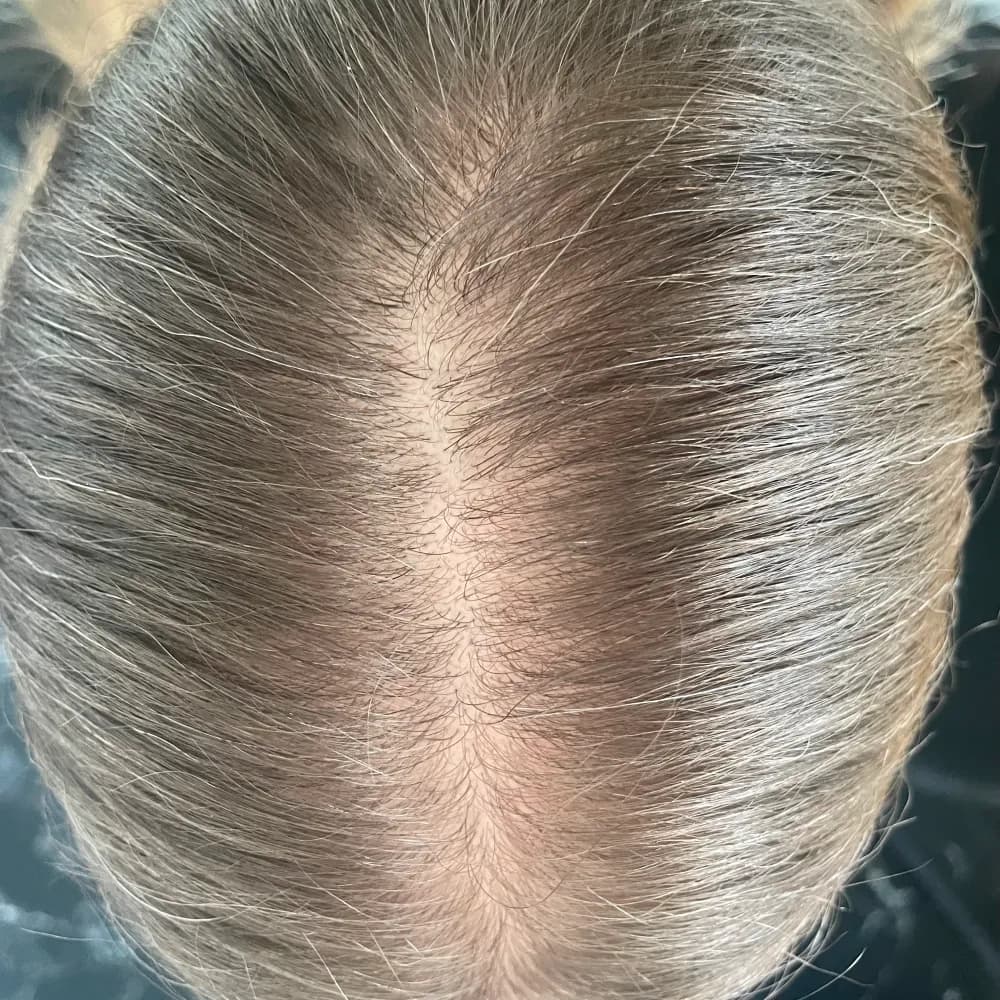
Androgenetic alopecia (AGA). This is the most common form of chronic hair loss; in women it affects up to half the population over a lifetime (Kearney et al., 2026). The mechanism differs from telogen effluvium: under the influence of androgens, follicles gradually miniaturise, a thick hair becomes thinner and thinner, down to vellus fuzz. Stress is not the cause here, but it can act as a detonator: a sudden episode of telogen effluvium is often the moment when previously unnoticed androgenetic loss becomes visible. The telogen hairs will grow back, but the androgenetic thinning underneath remains and needs separate management.
Alopecia areata. This is an autoimmune disease: the immune system attacks its own follicles, leaving smooth, round patches with no hair. The link with stress has been studied for a long time and remains ambiguous. Some work connects flare-ups with stressful experiences and points to a role for substance P and CRH in "breaking" the follicle's immune protection (Ahn et al., 2023). Other studies temper the enthusiasm: alopecia areata also appears in infants, who can hardly be suspected of psychological stress, so stress is at most one of the factors, not the sole cause (Minokawa et al., 2022).
The conclusion? Stress rarely acts alone. More often it is the trigger that sets off what was already there as a predisposition.
The Good News: Telogen Effluvium Usually Reverses
The most important sentence of this article goes like this: classic, acute telogen effluvium is reversible. The follicles do not die. They are at rest, and rest, by definition, comes to an end.
When the trigger passes (and acute stress usually does pass), the hair gradually returns to its normal cycle. The first short "regrowth" along the hairline is often visible after a few months. Rebuilding full density usually takes 6–12 months, because a new hair grows at its own pace, about a centimetre a month, and nothing speeds that up.
Two things need to be added honestly. First, there is chronic telogen effluvium, dragging on for over six months, fluctuating, with no single clear trigger (Rebora, 2014). That one needs diagnosis, not waiting. Second, if androgenetic alopecia is hiding beneath the telogen episode, improving the "stress part" alone will not solve the whole thing.
There is also a purely psychological trap. Hair loss itself can be a source of enormous stress; research reviews link it with lowered mood and anxiety (Forneris Crego et al., 2022). And so a vicious circle closes: stress caused the shedding, and the shedding fuels stress. Breaking that loop, sometimes simply understanding what is happening and that it is temporary, can be part of getting back on track.
What Genuinely Helps With Stress-Related Hair Loss
Here begins the part you have been waiting for. But first, the hardest thing to accept: there is nothing that will "stop" the shedding overnight. The hairs that entered telogen three months ago will fall out; that chapter is already written. Your real influence is over what happens next.
1. Address the trigger, not just the effect. If it is chronic stress, working on it is the actual "treatment": sleep, the pace of life, support from those close to you, sometimes professional help. If it is a deficiency or the thyroid, those need to be checked and corrected.
2. Do basic diagnostics. Telogen effluvium likes to keep company with deficiencies. It is worth checking with a doctor, among other things, ferritin (iron stores), a blood count, vitamin D and thyroid hormones. This is not "just in case": these are real, common and reversible causes.
3. Do not panic and do not "rescue" hair by force. Aggressively rubbing in ten products at once, vigorous daily massages, constantly pulling strands "to test," that piles more stress on the follicles instead of helping. Less, but consistently.
4. Look after nutrition. Hair is largely protein. Drastic diets and protein deficiencies are themselves triggers of telogen effluvium. A balanced plate works for your hair better than any single supplement.
5. Care for the scalp and the condition of the hair you have. During a phase of heavy shedding you will not "grow" hair faster, but you can look after its environment: a calm, hydrated, non-irritated scalp, and making sure the hair that stays is in the best possible condition. Gentle washing helps (we wrote separately about why aggressive washing harms) along with mild care free of irritating ingredients.
Every type of hair loss has a slightly different mechanism and slightly different needs. The tool below will help you get your bearings on what applies in your case:
Hair cycle calculator
Find out which colostrum ingredients support your hair type
Select the characteristic closest to you — we will show which active ingredients from bovine colostrum are relevant in daily care and the approximate time to the first visible results (based on scientific research). Educational material: does not replace consultation with a trichologist or doctor.
This last part, caring for the scalp and hair through a difficult period, is also where a cosmetic has its place. Trichovita's serum and mask with liposomal colostrum are supportive care: liposomes help deliver the active ingredients deep into the scalp, and bovine colostrum is a natural source of growth factors and lactoferrin, which supports scalp comfort during a period of heavy shedding. Let us be clear: this is not a drug for telogen effluvium and it will not stop the "wave" of shedding, because no cosmetic will. It is one element of good care, not a substitute for it. If you want to check what science actually says about colostrum itself, we have gathered a review of the research here.

Colostrum Active: Bundle Serum + Regenerating Mask
A complete set for scalp and hair regeneration.
Frequently Asked Questions
How long after stress does hair fall out?
Usually after 2–3 months. A stressful stimulus shifts hair into the resting phase (telogen), which lasts about three months, and only at its end does the hair fall out. In studies of telogen effluvium after COVID-19, shedding began on average 50–54 days after the infection (Olds et al., 2021; Aksoy et al., 2021).
Will hair grow back on its own after stress?
Yes, in most cases. Acute telogen effluvium is reversible: the follicles do not die, they only move into extended rest. Once the trigger is gone, hair usually regrows, and full density returns within 6–12 months. If shedding drags on for more than six months, consult a specialist.
How can I tell stress-related shedding from androgenetic alopecia?
Telogen effluvium is sudden, diffuse (hair falls from the whole head) and usually has a clear trigger from 2–3 months earlier. Androgenetic alopecia progresses slowly, over years, and shows as thinning in a specific pattern, in women, most often along the parting. A definite diagnosis will be made by a trichologist or dermatologist, including a trichoscopy examination.
Can stress cause permanent hair loss?
Telogen effluvium on its own usually does not lead to permanent hair loss. The risk appears indirectly: strong or chronic stress can reveal or accelerate androgenetic alopecia, and in people with a predisposition it is linked with flare-ups of alopecia areata. That is why persistent shedding should not be "waited out" without a diagnosis.
Will supplements stop stress-related hair loss?
There is no supplement that "stops" telogen effluvium. What does make sense is checking and correcting real deficiencies, above all iron (ferritin), vitamin D and thyroid abnormalities, ideally based on test results and with a doctor. Taking supplements "blindly," by the handful, will not help and can be harmful.
How much hair loss per day is normal?
Losing around 50–100 hairs a day is normal; those are simply the hairs that have completed their cycle. What matters is not so much a single number as the change: a sudden, marked increase in hair on the brush, the pillow or in the drain, lasting for weeks.
When should I see a trichologist or dermatologist?
When shedding lasts longer than 6 months, when you see thinning in a specific area or smooth patches with no hair, when you cannot point to any trigger, or when the problem is strongly affecting your wellbeing. A diagnosis is the starting point of any effective approach.
Summary: Stress, Hair and the Calendar in Reverse
Let's return to the person from the beginning, the one losing hair in September and certain she "is not stressed right now."
About the present, she is right. And that is exactly why she is looking in the wrong place. Stress-related hair loss is an echo; it comes back with a delay of two or three months, when we have already forgotten about the trigger.
The most important things to remember are three. First: yes, stress, emotional and physical, can trigger hair loss, through specific hormones and mechanisms in the follicle. Second: classic telogen effluvium is reversible; the follicles are waiting, not dying. Third: if the shedding has no trigger, drags on for over six months or forms a pattern, it is no longer "just stress" and deserves a diagnosis.
The rest is patience, basic diagnostics, calm care and time. Hair grows slowly. But, once the trigger is gone, it grows.
If you would like to see what a closely related case looks like in practice, read our detailed article on postpartum hair loss: the same mechanism, a different trigger.
References
This article is based on peer-reviewed scientific publications (data from the PubMed database):
- Choi S, et al. (2021). Corticosterone inhibits GAS6 to govern hair follicle stem-cell quiescence. Nature 592:428–432. DOI: 10.1038/s41586-021-03417-2
- Arck PC, et al. (2003). Stress inhibits hair growth in mice by induction of premature catagen development and deleterious perifollicular inflammatory events via substance P-dependent pathways. American Journal of Pathology 162(3):803–814. DOI: 10.1016/S0002-9440(10)63877-1
- Peters EMJ, et al. (2005). Stress exposure modulates peptidergic innervation and degranulates mast cells in murine skin. Brain, Behavior, and Immunity 19(3):252–262. DOI: 10.1016/j.bbi.2004.08.005
- Liu N, et al. (2013). Chronic restraint stress inhibits hair growth via substance P mediated by reactive oxygen species in mice. PLoS One 8(4):e61574. DOI: 10.1371/journal.pone.0061574
- Rebora A. (2014). Telogen effluvium revisited. Giornale Italiano di Dermatologia e Venereologia 149(1):47–54. PubMed
- Owecka B, et al. (2024). The Hormonal Background of Hair Loss in Non-Scarring Alopecias. Biomedicines 12(3):513. DOI: 10.3390/biomedicines12030513
- Olds H, et al. (2021). Telogen effluvium associated with COVID-19 infection. Dermatologic Therapy 34(2):e14761. DOI: 10.1111/dth.14761
- Aksoy H, et al. (2021). COVID-19 induced telogen effluvium. Dermatologic Therapy 34(6):e15175. DOI: 10.1111/dth.15175
- Ahn D, et al. (2023). Psychological Stress-Induced Pathogenesis of Alopecia Areata: Autoimmune and Apoptotic Pathways. International Journal of Molecular Sciences 24(14):11711. DOI: 10.3390/ijms241411711
- Minokawa Y, et al. (2022). Lifestyle Factors Involved in the Pathogenesis of Alopecia Areata. International Journal of Molecular Sciences 23(3):1038. DOI: 10.3390/ijms23031038
- Forneris Crego AL, et al. (2022). A catena between psychiatric disorders and non-scarring alopecias, a systematic review. Skin Health and Disease 3(3):e194. DOI: 10.1002/ski2.194
- Kearney CA, et al. (2026). Androgenetic Alopecia in Women: A Narrative Review of Pathophysiology, Clinical Evaluation, and Treatments. American Journal of Clinical Dermatology 27(2):363–389. DOI: 10.1007/s40257-026-01009-2
Educational material. This article is for informational purposes and does not replace consultation with a dermatologist or trichologist. Trichovita is a cosmetic care product — not a medicinal product and not a substitute for medical treatment. If you have a diagnosed scalp condition or persistent hair problems, please consult a specialist.
Discover our products!
We created them with real trichological patient problems in mind.

About the author
Mikolaj Szejnoga
Co-founder of Trichovita
Co-creator of the Trichovita brand, specialist in trichology and cosmetic formulation.
Visit author website