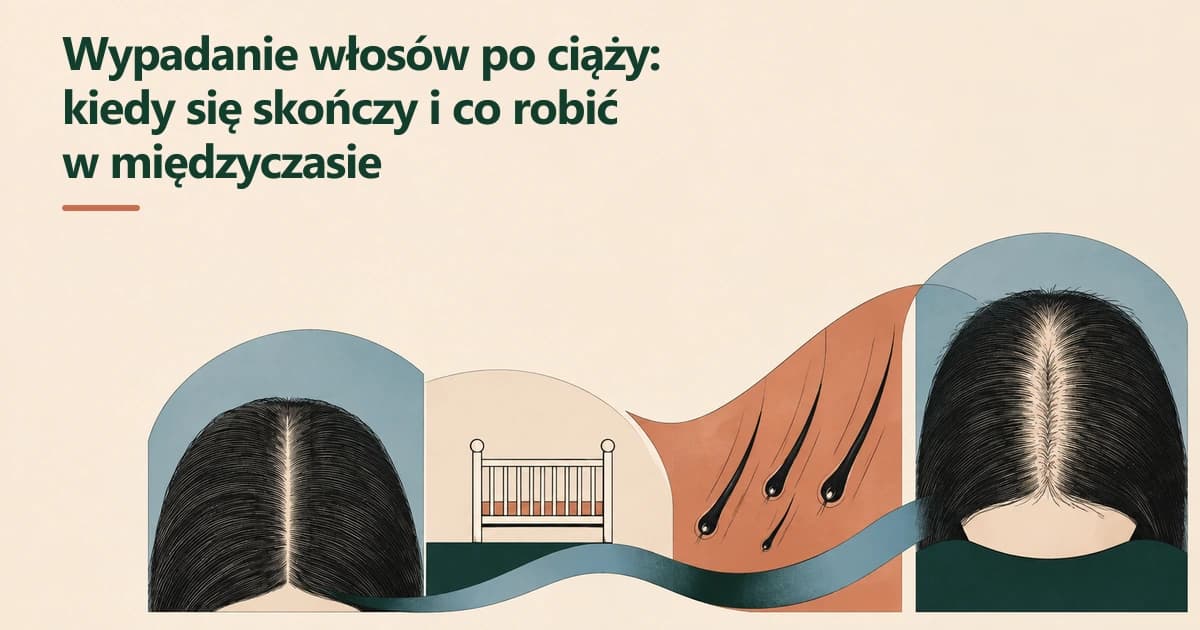

You look at your brush and see a tangled mass of hair. The shower drain clogs every other day. Strands you never noticed before are left on your pillow. Sound familiar?
If you recently had a baby, relax: this is not baldness. It is a phenomenon that has a name, a cause, and, most importantly, an end. But to get through this period with peace of mind, it helps to understand exactly what is happening on your scalp and what you can do to help your hair bounce back.
After more than 18,000 trichological treatments, I can say one thing: postpartum shedding is one of the most commonly diagnosed problems in my clinic. And at the same time, one of the most hopeful. Provided you avoid a few mistakes that can unnecessarily prolong the process.
Why Does Hair Fall Out After Childbirth? The Science in 3 Minutes
To understand what happens after pregnancy, you first need to know the normal life cycle of a hair. Every hair on your head goes through three phases:
| Phase | Name | What happens | Duration |
|---|---|---|---|
| Growth | Anagen | Hair actively grows, the follicle is nourished | 2–7 years |
| Transition | Catagen | The follicle shrinks, growth stops | 2–3 weeks |
| Resting | Telogen | Hair "rests" until pushed out by a new one | 2–4 months |
Under normal conditions, about 85–90% of your hairs are in the anagen (growth) phase and only 10–15% in the telogen (resting) phase. That is why you lose 50–100 hairs every day without even noticing, because new ones are growing at the same time.
What Does Pregnancy Change?
During pregnancy, estrogen levels rise up to 10-fold compared to normal. Estrogen literally "freezes" hairs in the growth phase. This means hairs that would normally have fallen out stay on your head.
That is why many women say their hair during pregnancy was the best of their lives: thicker, fuller, shinier. It is not magic. It is biology. Your hairs simply were not falling out when they should have been.
And Then Comes Childbirth...
After delivery (specifically within 2–4 months), estrogen levels plummet. For your hair, this is the signal: time to move from the growth phase to the resting phase. And not just a few dozen hairs a day, but hundreds at once.
This is postpartum telogen effluvium: a massive, synchronous shedding of hairs that were "held back" by estrogen during pregnancy.
How Long Does It Last? A Realistic Timeline
This is the question I hear most often in my clinic. And I understand why, because when you see fistfuls of hair on your brush, you need to know it will end.
Here is a realistic timeline based on clinical data and my experience with over 3,000 patients with this issue:
| Period | What happens |
|---|---|
| Pregnancy (9 months) | Hair barely falls out. You feel like a shampoo commercial star. |
| 0–2 months postpartum | Still calm. The hormonal "time bomb" is ticking, but your hair looks normal. |
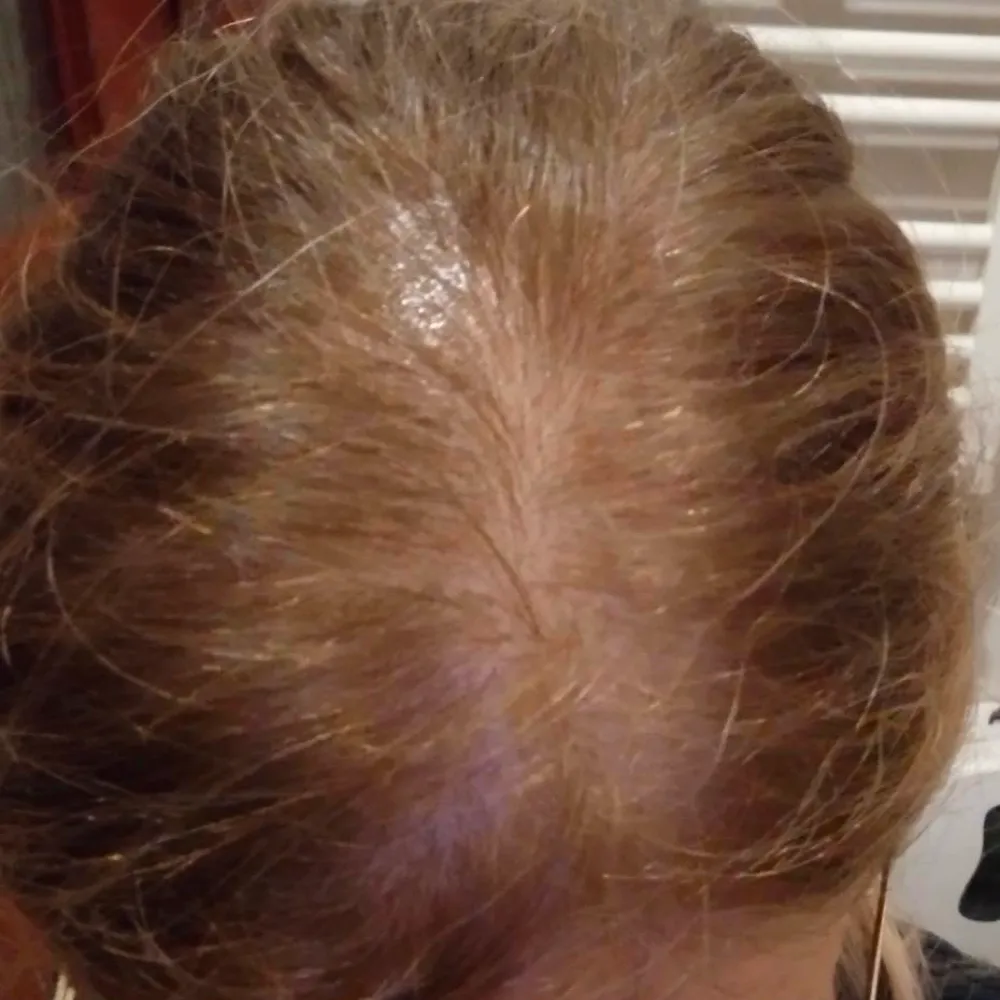
| 2–4 months postpartum | It begins. Hair falls out more intensely: on the brush, in the drain, on the pillow. |
| 3–6 months postpartum | Peak shedding. You may lose 200–400 hairs per day (normal is 50–100). This is the most stressful period. |
| 6–9 months postpartum | Shedding gradually slows. New hairs start to regrow. You may notice short "baby hairs" along your hairline. |
| 9–15 months postpartum | Full recovery. Hair returns to its pre-pregnancy state, provided there were no additional complicating factors. |
But Be Aware: It Does Not End the Same Way for Everyone
A study by Kantor et al. (2003) published in the Cleveland Clinic Journal of Medicine indicates that in about 10% of women, postpartum shedding can become chronic, especially when additional factors overlap:
- Anemia (iron deficiency after childbirth)
- Hypothyroidism (common after pregnancy!)
- Severe stress and sleep deprivation (every new mum knows this scenario)
- Restrictive diets aimed at rapid post-pregnancy weight loss
- Breastfeeding without supplementing key vitamins
If after 12 months since delivery your hair is still falling out heavily, that is a sign it is time to see a trichologist.
How Much Daily Hair Loss Is "Normal"?
This question seems straightforward, but the answer is more nuanced than you might think.
The Brush Test
Count the hairs on your brush after combing in the morning. Under normal conditions there should be 10–20. At the peak of postpartum shedding it may be 50–100, and that is within the normal range for this period.
The Pull Test
Grab a strand of about 60 hairs between your fingers and gently pull along their length. If you pull out:
- 0–2 hairs: normal
- 3–5 hairs: moderate shedding
- 6+ hairs: intense shedding (typical for telogen effluvium)
When Should You Be Concerned?
Postpartum shedding is normal and temporary. But there are warning signs that point to something more:
- Shedding lasts longer than 12 months after delivery
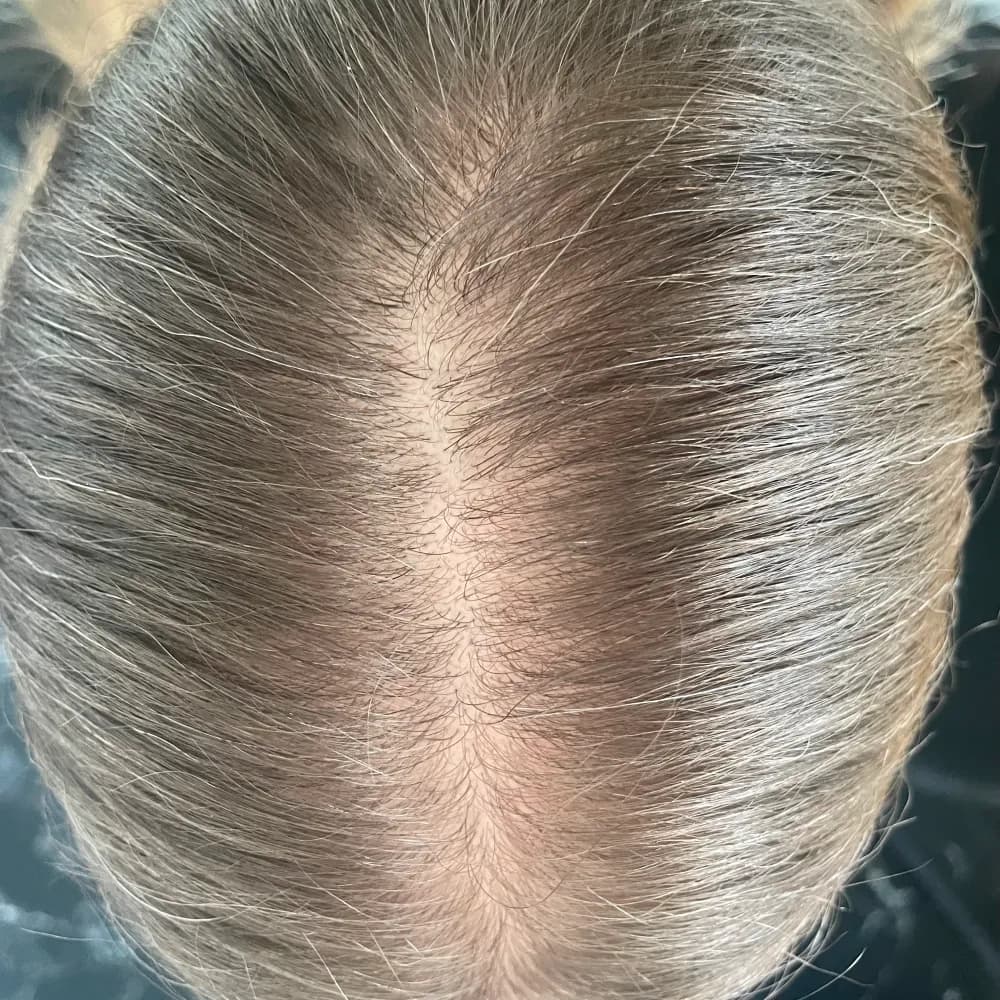
- You see noticeable thinning patches or bald spots (rather than even thinning)
- Your scalp is red, flaky, or itchy
- Shedding started during pregnancy (not after delivery)
- You have additional symptoms: fatigue, weight gain, dry skin (may indicate thyroid issues)
What Does the Science Say? Clinical Studies
Postpartum hair loss is a well-documented phenomenon in medical literature. Here are the key studies:
Study 1: The Scale of the Problem
Clinical evidence shows that 40–50% of women experience noticeable hair loss in the postpartum period (Grover & Khurana, 2013, Indian Journal of Dermatology). However, if milder forms (which women often downplay) are included, the proportion reaches as high as 90%.
Study 2: The Role of Iron
A study by Kantor et al. (2003) showed that women with ferritin levels below 40 ng/ml (not just below the "lab normal" of 12 ng/ml) had a 2.5-fold greater risk of prolonged shedding. This is crucial because many doctors say "hair loss is normal after pregnancy" without even checking iron levels.
Study 3: Growth Factors and Regeneration
A 2020 meta-analysis (Gupta & Carviel, Skin Pharmacology and Physiology) showed that growth factors such as IGF-1 and EGF stimulate the proliferation of dermal papilla cells and accelerate the transition from telogen to anagen. This is precisely the mechanism needed after childbirth: to "wake up" follicles from their resting phase.
Study 4: Lactoferrin and Scalp Inflammation
A study by Zimecki & Kruzel (2007, Biometals) showed that lactoferrin, a glycoprotein found in high concentrations in bovine colostrum, exhibits potent anti-inflammatory and immunomodulatory effects. Chronic scalp inflammation is one of the factors that prolongs postpartum shedding.
What Actually Helps? An Evidence-Based Approach
After 18,000 treatments, I can say that most "miracle hair supplements" are not supported by research. But there are a few things that truly make a difference.
1. Nutrition: The Foundation of Recovery
Your hair needs specific building blocks to rebuild. There are no shortcuts.
| Nutrient | Why it matters | Where to find it | Daily dose |
|---|---|---|---|
| Iron | Delivers oxygen to the hair follicle | Red meat, lentils, spinach | 18–27 mg (during/after pregnancy) |
| Zinc | Involved in keratin synthesis | Pumpkin seeds, eggs, seafood | 8–12 mg |
| Biotin (B7) | Supports keratin metabolism | Eggs, nuts, avocado | 30–100 mcg |
| Vitamin D | Regulates the hair cycle (anagen phase) | Sunlight, oily fish, supplements | 2,000–4,000 IU |
| Omega-3 fatty acids | Reduce scalp inflammation | Salmon, sardines, flaxseed | 1–2 g EPA+DHA |
| Protein | Hair is 90% keratin (a protein!) | Meat, fish, eggs, legumes | 1.2 g/kg body weight |
2. Scalp Care, Not Hair Care!
This is the point most women miss. They focus on hair products (conditioners, oils, masks for the lengths), while the problem lies in the scalp, where the follicle is.
The scalp after pregnancy and delivery is often:
- Dehydrated (hormonal changes reduce sebum production)
- Irritated (stress, sleep deprivation, microbiome changes)
- Poorly nourished (anemia, poor circulation)
What helps:
-
Scalp massage: 3–5 minutes daily, with fingertips in circular motions. A study by Koyama et al. (2016, ePlasty) showed that daily scalp massage for 4 minutes increased hair thickness measurable by ultrasound after just 24 weeks.
-
Scalp exfoliation: once a week, enzymatic or fine-grained. Removes dead skin and improves the penetration of active ingredients.
-
Growth factor serum: applied directly to the scalp, not to hair lengths. Growth factors (IGF-1, EGF) stimulate the dermal papilla to enter a new growth cycle.
3. Liposomal Technology: Why the Delivery Method Matters
Most trichological products have one fundamental problem: active ingredients do not reach where they are needed. The scalp has a lipid barrier that blocks most molecules.
The solution is liposomes: microscopic lipid capsules that "trick" the skin barrier and deliver ingredients directly to the hair follicle.
| Parameter | Traditional product | Liposomal formulation |
|---|---|---|
| Ingredient penetration | 5–10% of the stratum corneum | Deep into the dermal papilla |
| Duration of action | Surface-level, short-lived | Extended (depot effect) |
| Ingredient protection | None, breaks down on contact with air | Enclosed in a lipid capsule |
| Efficacy | Low, most ingredients wash off | High, liposome fuses with the cell membrane |
4. Bovine Colostrum: A Natural Concentrate of Growth Factors
Bovine colostrum is a natural source of growth factors that play a key role in hair follicle regeneration:
- IGF-1 (insulin-like growth factor): stimulates the proliferation of dermal papilla cells, extending the anagen phase
- EGF (epidermal growth factor): accelerates repair and renewal of hair follicle cells
- Lactoferrin: provides anti-inflammatory and immunomodulatory effects on the scalp
- Immunoglobulins: strengthen the local immunity of the scalp
- Ceramides: rebuild the lipid barrier of the scalp
What to Avoid? 5 Mistakes That Worsen Shedding
Based on thousands of consultations with postpartum women, here are the most common mistakes:
Mistake 1: Panic and Over-Intervention
You see clumps of hair and immediately buy 5 different products, supplements, and oils. The result? An overloaded, irritated scalp, and you waste money on products that conflict with each other. Less is more.
Mistake 2: Restrictive Dieting
"I want to get back to my pre-pregnancy shape." That is understandable. But a drastic caloric deficit is the worst thing you can do for your hair. A body in "survival mode" cuts off the supply to hair follicles as one of the first things.
Mistake 3: Tight Hairstyles
Ponytails, buns, braids. I know that with a baby in your arms, convenience is a priority. But tight hairstyles cause traction alopecia (pulling-induced hair loss), which compounds hormonal shedding and can lead to permanent damage.
Mistake 4: Hot Water and Harsh Shampoos
Hot water opens scalp pores and weakens follicles. Shampoos with SLS/SLES further irritate and dry out the skin. Wash your hair with lukewarm water and use gentle, sulfate-free shampoos.
Mistake 5: Ignoring the Problem
On the other hand, some people say "it is normal, it will pass" and do nothing. Yes, postpartum shedding is normal. But supporting regeneration can shorten the process from 12 to 6 months and prevent a loss of density that may never fully return.
Your Postpartum Routine, Step by Step
Here is a realistic routine you can implement even with a newborn in your arms (I know, time is a luxury):
Every Day (2 minutes)
-
Scalp massage: with fingertips, 2–3 minutes, ideally before washing your hair. You can even do this while nursing.
-
Growth factor serum: a few drops directly on the scalp (not on the hair lengths!), gently massaged in. Best applied in the evening so it can work overnight.
Every 2–3 Days (when washing)
-
Gentle sulfate-free shampoo: lukewarm water, double wash (the first removes dirt, the second actually cleanses the skin).
-
Regenerating scalp mask: twice a week, applied to the scalp (not to hair lengths!), left for 5–10 minutes, then rinsed.
Once a Week
- Enzymatic scalp exfoliation: removes dead skin and improves serum penetration.

Colostrum Active: Bundle Serum + Regenerating Mask
A complete set for scalp and hair regeneration.
When to See a Trichologist?
A visit to a trichologist is recommended when:
- Shedding lasts longer than 12 months after delivery
- You notice bald patches (not even thinning)
- Your scalp is red, flaky, or painful
- You have symptoms suggesting thyroid problems (fatigue, weight fluctuations, dry skin)
- Shedding is so intense that it affects your mental wellbeing
What Can You Expect at the Visit?
A professional trichologist will perform:
-
Trichoscopy: examination of the scalp and hair under a microscope (x60–x200 magnification). It reveals the condition of the follicle, hair thickness, miniaturization, and blood vessels.
-
Pull test: a standardized hair-pull test in different regions of the head.
-
Medical history: detailed questions about pregnancy, delivery, breastfeeding, diet, medications, stress, and family history.
-
Treatment plan: individually tailored to your results and lifestyle.
Summary: 7 Key Facts
- Postpartum hair loss affects up to 90% of women. You are not alone.
- Peak shedding occurs 3–6 months after delivery. Then it subsides.
- This is not permanent baldness. Follicles are healthy, hair will regrow.
- Ferritin below 40 ng/ml worsens the problem. Get your iron checked.
- Diet is the foundation. Do not crash-diet after delivery.
- Focus on the scalp, not the hair. That is where the key to recovery lies.
- Growth factors in a liposomal formulation accelerate the return of hair to the growth phase.
"Postpartum hair loss is not a disease. It is a natural process. But natural does not mean it cannot be supported. After 18,000 treatments, I know that early intervention can cut recovery time in half."
Marta Szejnoga, Trichologist

Colostrum Active serum with liposomal colostrum
Regenerating serum for daily use.
Hair cycle calculator
Find out which colostrum ingredients support your hair type
Select the characteristic closest to you — we will show which active ingredients from bovine colostrum are relevant in daily care and the approximate time to the first visible results (based on scientific research). Educational material: does not replace consultation with a trichologist or doctor.
Frequently Asked Questions
How long does postpartum hair loss really last?
For most women: peak shedding lasts 2–3 months, full recovery 6–12 months from the start. In some cases (low ferritin, prolonged breastfeeding, second pregnancy in close succession) the timeline can stretch to 18 months. If you are still actively shedding more than 12 months postpartum, see a trichologist or dermatologist. At that point the trigger is no longer "just" the pregnancy.
Is breastfeeding making my hair loss worse?
Not directly: breastfeeding does not cause telogen effluvium. But it does keep prolactin elevated and estrogen suppressed, which can prolong the shedding phase. The fix is not to stop breastfeeding (which has no impact on hair loss decisions) but to ensure your iron, vitamin D and protein intake are sufficient for both you and the baby. Your hair regrowth waits its turn behind milk production.
Can I use a scalp serum while breastfeeding?
Yes: topical serums applied to the scalp have negligible systemic absorption. Liposomal formulas with colostrum, growth factors and ceramides act locally on the hair follicle. None of the standard cosmetic ingredients in a trichology serum are excreted in breast milk in clinically meaningful amounts. Avoid only serums containing minoxidil (which IS systemically absorbed) while breastfeeding, as that requires a doctor's green light.
Will my hair grow back the same as before?
Mostly, yes, but expect some changes. New hairs grow back at the standard rate (~1 cm per month), so it takes 6–12 months for visible length to return. Texture may shift slightly: some women report straighter hair, some curlier, some thinner individual strands. By 18–24 months postpartum, density usually returns to pre-pregnancy baseline. If it does not, the cause is rarely "the pregnancy." It is more often nutritional or hormonal.
When should I worry that this is NOT postpartum hair loss?
Five red flags: (1) shedding starts later than 6 months postpartum, (2) the loss is patchy or in clear lines instead of diffuse, (3) the scalp itches, burns or has visible inflammation, (4) hair breaks at the same length across large areas (suggests breakage, not shedding), (5) shedding continues unabated past 12 months. If you see any of these, book a trichologist or dermatologist appointment. Postpartum hair loss is diffuse, painless and time-limited.
References
This article is based on dermatology guidance and peer-reviewed publications:
- American Academy of Dermatology Association, Hair loss in new moms: aad.org
- Malkud S., Telogen Effluvium: A Review, 2015: PMC
- Asghar et al., Telogen Effluvium: A Review of the Literature, 2020: PMC
- Investigation of exacerbating factors for postpartum hair loss, 2023: PMC
- Postpartum telogen effluvium unmasking additional latent hair loss disorders, 2024: PMC
- Koyama et al., Standardized scalp massage results in increased hair thickness, 2016: PMC
Related reading: Does stress cause hair loss?, How to wash your hair properly and Liposomes in hair care.
Educational material. This article is for informational purposes and does not replace consultation with a dermatologist or trichologist. Trichovita is a cosmetic care product — not a medicinal product and not a substitute for medical treatment. If you have a diagnosed scalp condition or persistent hair problems, please consult a specialist.

Discover our products!
We created them with real trichological patient problems in mind.


About the author
Marta Szejnoga
Trichologist
Specialist with years of experience in trichology and scalp care.
Visit author website